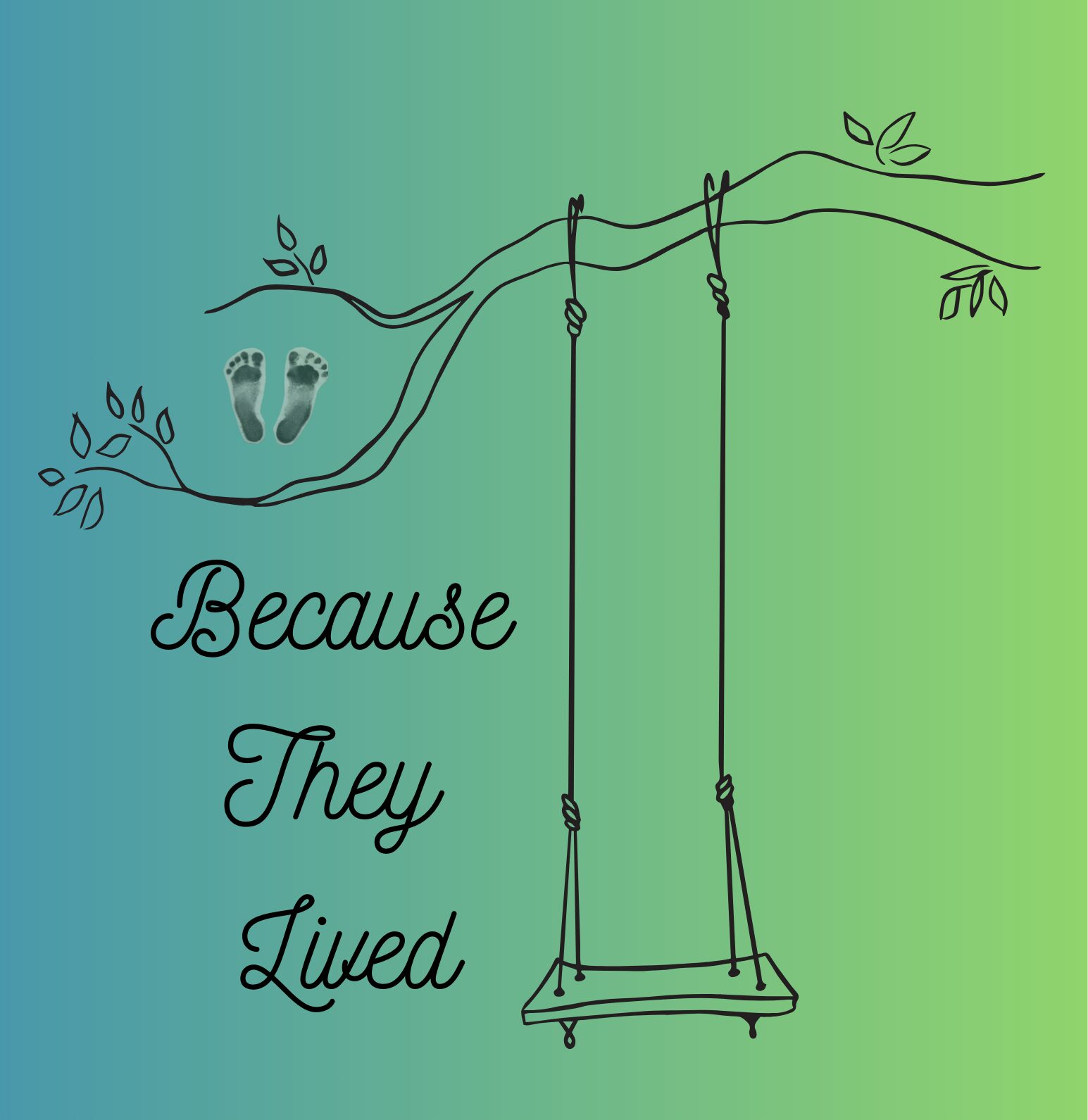
Content Note: This page shares a family’s experience with pregnancy loss and infant death. Some readers may find this content emotionally difficult. Please read at your own pace and with care.
From the very beginning of the pregnancy, there were complications—but losing Emmalin was never something we allowed ourselves to imagine. Hope carried us forward. At sixteen weeks, Nicole underwent emergency surgery to place a cerclage in an effort to maintain the pregnancy, followed by strict bedrest. Despite every effort, the cerclage failed at twenty weeks.
Even in the uncertainty, we found gratitude. Reaching twenty weeks meant that if Emmalin were born, she would be recognized beyond just us—she would have a birth certificate, a name, a place in the world. At twenty-three weeks, Nicole was admitted to the hospital and placed on bedrest until delivery. We believed we had more time. In reality, it would be just over a week.
At twenty-four weeks and two days, Emmalin Brynn was born weighing one pound, six ounces, and measuring twelve inches long. Her size was unimaginable, but the fact that she was alive was everything. She was admitted immediately to the NICU, where she would spend the next seventy-four days of her life.
As a micro-preemie, Emmalin faced more challenges than many experience in a lifetime—underdeveloped lungs, heart complications, brain bleeds, and repeated battles with NEC. Yet time and again, she fought through what was placed before her. As days turned into weeks, and weeks into months, hope grew. We began to believe she might beat the odds.
That belief was shattered in the night leading up to her death.
After another exploratory surgery revealed severe complications, Emmalin’s condition became critical. Though she was incredibly sick, we held onto hope—because hope was all we had ever known with her. In the early hours of the morning, we were told to come to the hospital immediately. We knew then that everything was changing.
Throughout the pregnancy, we had talked about what we wanted Emmalin’s life to look like. Quality over quantity was always our guiding principle, though we never imagined we would be asked to live that decision. On a Saturday morning in May, we were told that Emmalin would not survive. We were given a choice: to allow her to pass peacefully in our arms, or to prolong her suffering through resuscitation efforts.
As desperately as we wanted our daughter with us, we chose what was best for her.
At eleven o’clock that morning, Emmalin was placed in our arms, and she passed the same way she entered this world—fearless, strong, and forever loved.